Closet Studios and 40-Watt Dreams: The Homemade Networks Rewriting Talk Radio
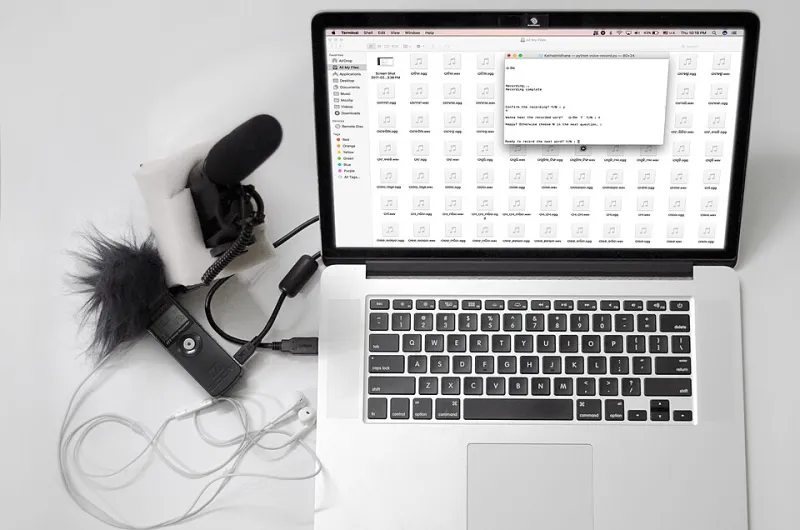
Photo: Subhashish Panigrahi, CC BY-SA 4.0, via Wikimedia Commons
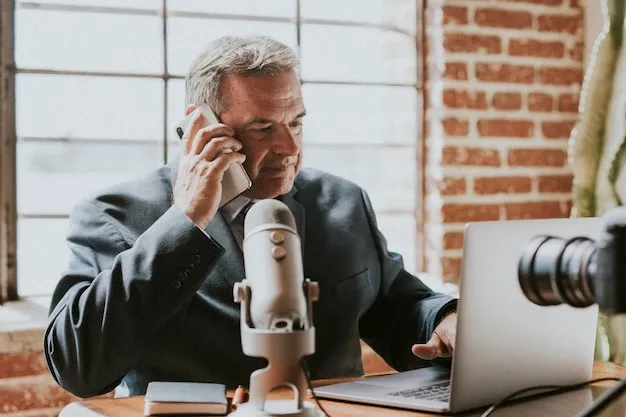
Somewhere in Ohio, a retired forklift operator runs a seven-show talk network out of a converted coat closet. In suburban Phoenix, a nurse produces a nightly political roundtable from a bedroom studio that cost less than a used laptop. Neither of them works for a company you've heard of. Both of them have audiences that would've required an FM license and a sales team fifteen years ago.
Welcome to the micro-network era — where the barrier to broadcasting is roughly the price of a decent grill.
The Gear: Cheaper Than You Think, Better Than You'd Guess
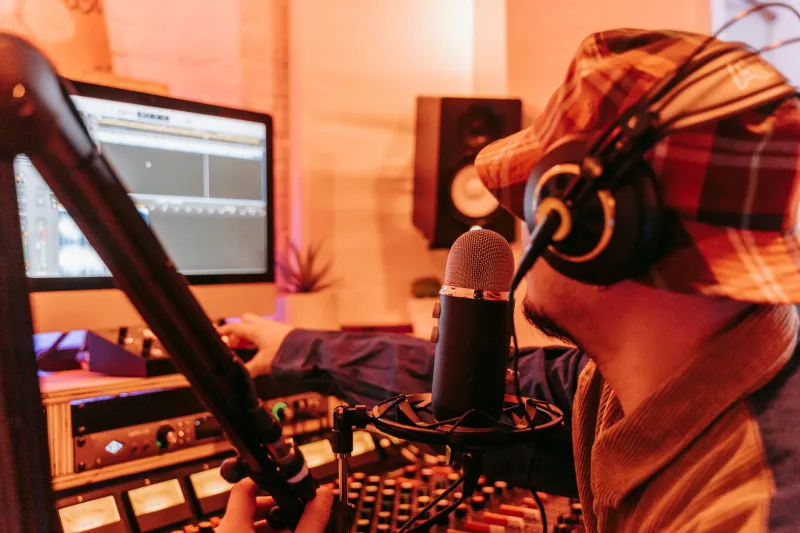
The starter kit for a DIY talk operation has collapsed in both price and complexity:
- A dynamic microphone in the $100 range that forgives untreated rooms
- An audio interface, or honestly, just a good USB mic to start
- Free or cheap multitrack software for remote guests
- A hosting platform that distributes to every podcast app on earth
Add acoustic panels — or, per countless garage broadcasters, moving blankets from the hardware store — and you've got a room that sounds legitimately professional. The old excuse of "I can't afford a studio" died quietly sometime around 2019.
The Licensing Quirks Nobody Warns You About
Here's where it gets interesting. True low-power FM broadcasting is a real thing in the US, but the FCC's LPFM windows open rarely and come with strict rules — no commercial content in most cases, strict power caps, real engineering requirements. Most DIY operators skip the transmitter entirely and live on the internet, where the regulatory picture is dramatically simpler.
That said, the closet broadcasters who last are the ones who learn the basics anyway: music licensing (or just avoiding music), libel awareness for live call-ins, and disclosure rules when sponsors show up. The FTC doesn't care how small your studio is.
How a Network of One Grows Into a Network of Nine
The playbook among successful micro-operators is remarkably consistent:
- Own a niche, not a format. "Talk radio" is too big. "Municipal politics in the Tri-County area" is just right.
- Show up every single day. Consistency is the one advantage nobody can buy.
- Recruit co-hosts from your audience. The most passionate caller usually becomes your next show.
- Cross-promote ruthlessly. Every show ends by sending listeners to two other shows on the network. That's how a bedroom becomes a grid.
So Does the Next Big Voice Need a Tower?
Ask the traditionalists and they'll point to signal reach, ad sales infrastructure, and name recognition. Ask the closet broadcasters and they'll point to their download maps — listeners in forty states, no tower required.
The honest answer is that the tower matters less every year, and the voice matters exactly as much as it always did. Big networks still mint stars. But the audition tape of the future might come from a coat closet in Dayton — and honestly, nobody listening will be able to tell the difference.