3 AM and All Ears: Inside the Weird, Wonderful World of Overnight Talk Radio
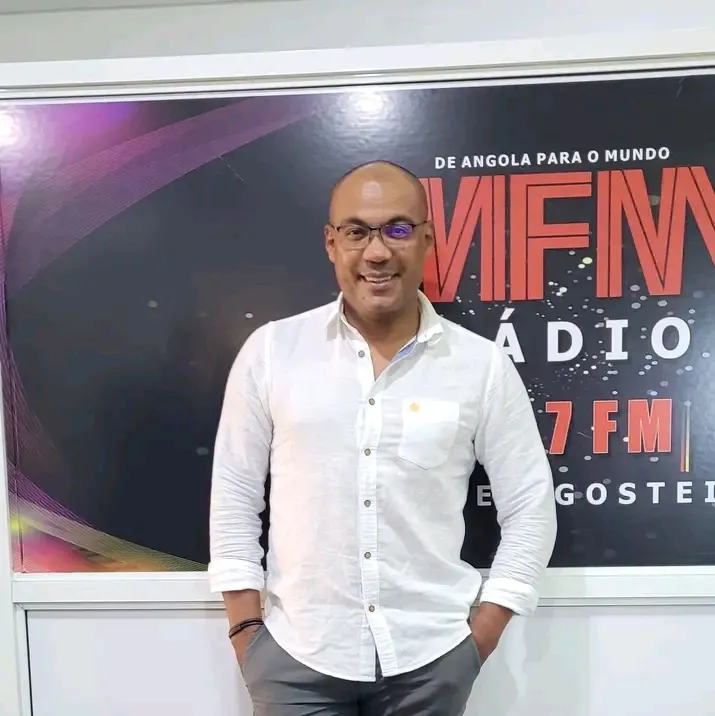
Photo: Cristiana kanda, CC BY 4.0, via Wikimedia Commons
The studio looks the same at 3 AM as it does at 3 PM. Same soundproofing, same blinking lights, same coffee-stained console. But everything else is different. The phone lines carry a different kind of caller. The silences feel heavier. And the host, hunched over a microphone in the dark while most of the country sleeps, is playing by a completely different set of rules.
Overnight talk radio is one of American broadcasting's most durable and least-discussed institutions. It has outlasted format shifts, satellite disruption, and the podcast revolution. Night after night, from midnight to dawn, a small constellation of hosts keep the signal alive — and the people who need it most keep tuning in.
The Audience Nobody Talks About
Daytime radio chases demographics. Morning drive targets commuters. Afternoon drive targets the same crowd heading home. Advertisers love these windows because the listeners are predictable and plentiful.
Overnight is different. The audience is fragmented, irregular, and deeply varied — and that's precisely what makes it interesting.
There are the long-haul truckers grinding through the night on I-80, keeping themselves alert with conversation rather than music. There are ER nurses on their third overnight shift of the week, earbuds in, half-listening between patients. There are insomniacs who've given up on sleep and settled into the familiar rhythm of a voice they trust. There are the grieving, the anxious, the restless. And then there are the chronic night owls who simply live on a different clock than the rest of the country, for whom 2 AM is just Tuesday evening.
"My listeners aren't a demographic," said one overnight host who has been broadcasting out of a Texas station for eleven years. "They're a condition. Something is keeping all of them up, and I'm what they found when they went looking for company."
The Craft of the Graveyard Shift
Hosting overnight talk radio requires a specific kind of skill that doesn't translate cleanly from other time slots. The energy management alone is a discipline. You can't blast into a midnight broadcast with morning-show enthusiasm — that registers as jarring and false to an audience that's already in a quieter headspace. But you also can't let the pacing drag, because a listener fighting sleep will lose that battle if you give them too many slow stretches.
The best overnight hosts describe their approach as something close to late-night conversation — unhurried but alert, intimate without being hushed. Topics that would feel too niche or too strange for drive time find a natural home after midnight. Conspiracy theories get a more charitable hearing. Personal confessions come easier. The weird calls that a daytime screener might filter out get through, because the weird calls are often the best ones.
"Daytime radio is about information and entertainment," said a veteran overnight host with a national syndication deal. "Overnight is about company. Those are genuinely different products."
The Callers Who Define the Hours
Every overnight host has a mental catalog of callers that shaped them — the voices that came through the line at 4 AM and said something that stuck.
There's a specific caller archetype that regular overnight listeners will recognize: the regular. Someone who calls in two or three nights a week, always around the same time, always with a variation on the same concerns. They're not looking to debate. They're checking in. The host has become a kind of anchor point in their night.
One Chicago-area overnight host recalled a caller — a retired postal worker named Gerald — who phoned in nearly every Thursday for four years. He'd talk about baseball, about his late wife, about whatever was on his mind. He wasn't a great radio caller by traditional metrics. He didn't have hot takes. He wasn't trying to score points. "He just wanted someone to talk to," the host said. "And that's actually the purest version of what this format is."
Then there are the crisis callers — people who reach out in darker moments because the overnight line is the only one they can bring themselves to dial. Experienced overnight hosts navigate this with care. Most major stations have protocols, crisis line referrals, and training. But the first point of contact is often the host, and how they handle those moments matters enormously.
"You learn to read a voice really fast," said one host. "Most of the time people just need to be heard for five minutes and they're okay. But you stay alert."
The Cultural Texture of Overnight Radio
If daytime talk radio reflects the public square — loud, competitive, opinion-forward — overnight talk radio is something closer to a campfire. The tribal dynamics soften. Political heat cools. People who would argue furiously in the afternoon tend to get more reflective when the clock tips past 1 AM.
This isn't universal. Some overnight programs run hot on purpose, catering to listeners who want confrontation as a way to stay awake. And certain national overnight shows have built massive followings on exactly that energy. But the cultural baseline of the format tilts toward the contemplative.
Topics that get airtime overnight skew toward the existential — mortality, memory, regret, strange experiences, unanswerable questions. Paranormal programming has always had a natural home in the overnight hours, not necessarily because the audience believes more, but because the darkness makes that kind of conversation feel appropriate. The format creates permission to take the uncanny seriously.
Surviving the Hours
For the hosts themselves, the graveyard shift carries real costs. Sleep disruption, social isolation, the particular loneliness of being professionally awake while the rest of your life sleeps — these accumulate. Relationships strain. Health takes hits. Many overnight hosts describe a years-long negotiation with their own circadian rhythms, learning to protect sleep windows, to turn off the phone, to decompress from a 4 AM sign-off before the world outside starts its morning.
"You get addicted to it," admitted one host who recently moved to a daytime slot after a decade on overnights. "Even now I wake up at 2 AM and feel like I should be somewhere. Like there's a mic waiting."
The addiction makes sense. Overnight talk radio rewards a particular personality — someone who finds meaning in being present for people at their most unguarded, who doesn't need external validation to feel like the work matters. The ratings are modest. The ad revenue is lower. The industry prestige is minimal.
But somewhere out there, right now, a trucker is crossing a dark stretch of highway in Nevada, and a voice is coming through the cab speakers keeping them company. A nurse is pulling through hour six of an overnight shift with an earpiece in. An insomniac is lying in the dark, not quite asleep, listening to someone talk about something that doesn't matter much but matters enough.
The signal stays on. That's the whole point.