First-Time Caller, Long-Time Ritual: The Traditions That Refuse to Die in American Talk Radio
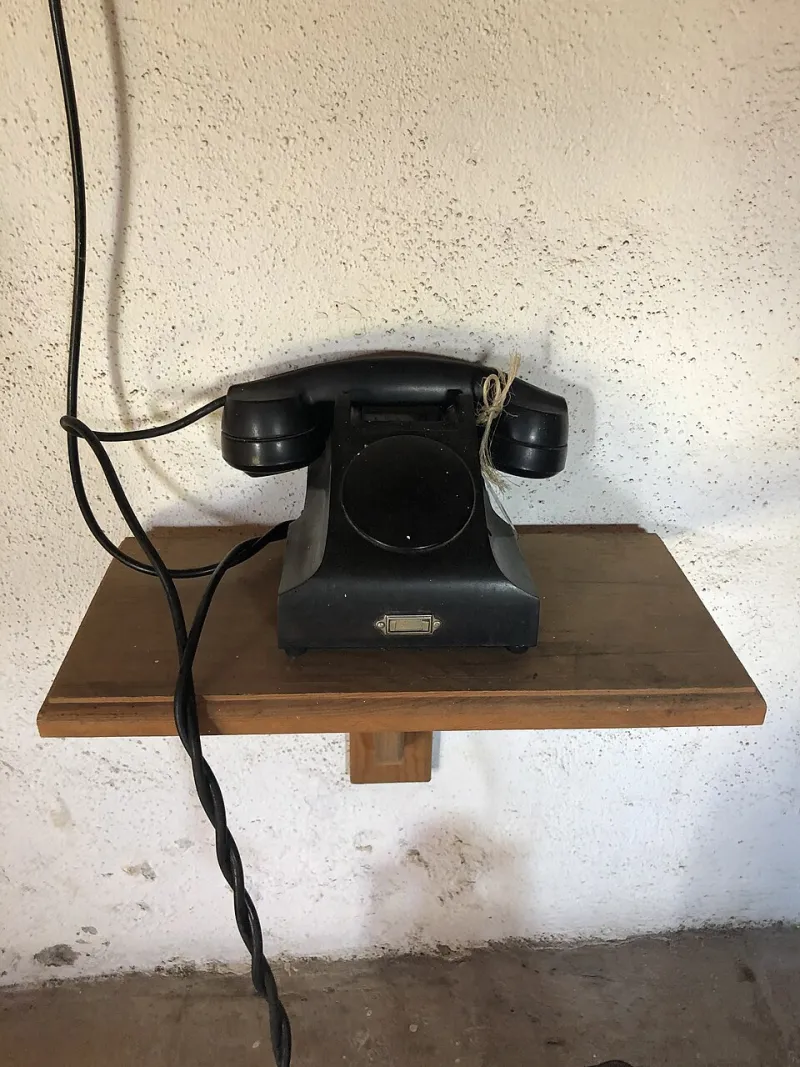
Photo: Kiaret Salvador, CC BY-SA 4.0, via Wikimedia Commons
There's a moment in every call-in show that outsiders find baffling. A caller gets patched through, and instead of just talking, they perform a tiny liturgy: "Long-time listener, first-time caller, love the show."
Nobody taught them to do this. There's no rulebook. It's a ritual, passed caller to caller like a folk song, and it might tell us more about why talk radio survives than any ratings report ever could.
The Greeting Before the Greeting
Start at the beginning of the pipeline: the call screener. Before a single word hits the airwaves, a real human being has usually asked a caller their name, their take, and occasionally whether they've had a run-in with the show before. It's a gatekeeping ritual, sure — but it's also a hospitality ritual. By the time a caller reaches the host, the conversation has already been warmed up twice.
Younger audio creators working in podcasting have mostly deleted this step, letting voicemails and DMs flow straight to tape. The result is often faster content and worse conversations. The screener's greeting wasn't friction. It was rehearsal.
Seven Seconds of Grace
Then there's the delay — the legendary broadcast delay that lets a producer hit the dump button before a word you can't un-hear reaches the audience. Born from the 1970s indecency wars and cemented into permanence by the 2004 Super Bowl, the delay is one of those technologies that shaped behavior as much as it prevented disaster.
Here's the opinion part, and we'll own it: the delay made call-in radio politer than the internet ever managed to be. When callers know a professional is standing between them and the nation, they tend to bring their second-best behavior. Strip that away — as a lot of streaming-first audio has — and you get the comment-section energy that's turning people off digital spaces entirely. The delay isn't censorship. It's a shared agreement that somebody's keeping the porch light on.
The Intro That Became a Handshake
"First-time caller, long-time listener" deserves its own museum wing. Linguistically, it's a declaration of loyalty before a request for attention — I've given you hundreds of hours; now give me ninety seconds. Hosts know it. Regular listeners anticipate it. Some shows have turned it into a running gag, timing how long the intro runs.
What's remarkable is that the ritual has jumped formats. Podcast voicemail segments and TikTok live call-ins feature people saying versions of it word for word. Nobody coordinates this. It's just what you say when you finally get through — the audio equivalent of knocking before entering.
What's Getting Killed
Not everything survives. A few rituals are quietly going extinct:
- The dial-in itself. Younger listeners don't call phone numbers. Voicemail submissions, video call-ins, and Discord drop-ins are replacing the landline, and honestly, the replace-or-die question is already answered.
- The on-air birthday shout-out. A casualty of scale — when your audience is national, whose birthday counts?
- The strict call-topic structure. Modern shows meander more, and honestly, that's mostly an improvement.
What's Being Reinvented
The most interesting new ritual might be the reverse call-in: hosts calling listeners instead of waiting for calls. It flips the power dynamic, produces better audio, and turns the audience from queue to cast. It's a ritual being invented in real time, and it works.
But the core traditions — the greeting, the delay, the intro — endure because they do something no algorithm can: they tell everyone in the conversation, including the audience, you're safe here, and this matters. That's not nostalgia. That's infrastructure.