Small Signals, Big Loyalty: Why the Future of Talk Audio Might Be Hyperlocal
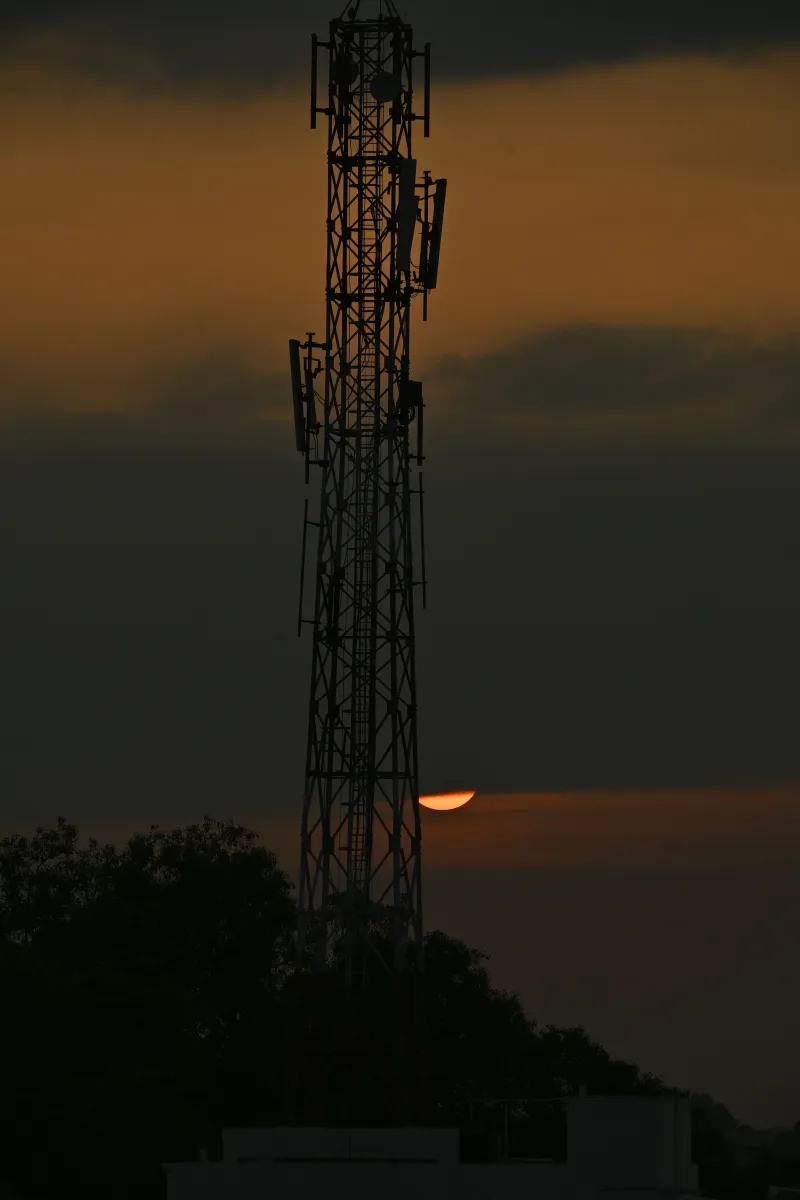
Photo: small town radio station broadcasting tower at sunset, via images.pexels.com
Here's a number that should make every podcast-network executive slightly uncomfortable: the most listened-to talk programming in a lot of American counties isn't a charting national show. It's the local morning drive program covering the highway project that's about to make everyone's commute miserable for eighteen months.
The streaming era was supposed to erase geography. Instead, it may have proven why geography was the whole point.
The Chart Is Lying to You
Look at any podcast ranking and you'll see the same handful of national names — true crime, sports debate, political commentary produced within fifteen miles of a coastal studio. By the charts, local talk looks like a rounding error.
But charts measure reach, not reliance. And reliance is where local radio quietly dominates. When the flood comes, when the school board redistricts, when the beloved diner on Route 9 closes — nobody's national show covers it. Somebody's local one does, often within the hour, often with a host who lives four blocks from the story.
What Only Local Talk Can Cover
The content stack of hyperlocal radio is unglamorous and nearly impossible to replicate from a distance:
- Friday night football. High school sports broadcasting remains one of the last truly communal audio experiences in America. Grandparents in Arizona listening to a game in Ohio — try getting a national podcast to mean that much.
- The local government nobody else watches. A school board meeting is boring until it's your kid's school. Local talk hosts sit through the boring part so the town doesn't have to.
- Weather as a character. National shows treat weather as a headline. Local radio treats it as a shared event — the ice storm, the heat wave, the tornado warnings that make the host a literal public service.
- The commerce of the community. Which restaurants opened, which closed, who's hiring. It's not content. It's the town's bulletin board, with a voice.
The Loyalty Math
Here's the argument in plain terms: national audio competes on scale and wins on scale, but it can't compete on stakes. A listener has no personal stake in a debate about a Senate race two thousand miles away. They have an enormous stake in whether the county raises the sales tax by a quarter cent.
Stakes create habits. Habits create the kind of loyalty advertisers pay premiums for and algorithms can't manufacture. A local host who steered the town through a flood or a factory closing has a relationship with that audience no national brand can rent.
The Honest Problems
This isn't a rosy picture, and pretending otherwise would be a disservice. Local talk faces real headwinds: consolidated ownership gutting newsrooms, ad dollars fleeing to platforms that promise targeting, and a talent pipeline problem — the young host who would've started on a hometown AM signal in 1990 starts on YouTube in 2025, aimed at whoever shows up.
But that last point cuts both ways. Cheap tools mean a two-person operation can now run a genuinely local talk stream with national-grade audio quality. The barrier to being fiercely local has never been lower. What's been lost is the license — and the business model — not the appetite.
Smaller, Not Lesser
So here's the take: the future of talk audio isn't one giant conversation. It's thousands of small ones, each with a host who knows the street names. National platforms will keep winning the charts. Local voices will keep winning the kitchen table.
And if you're a young creator deciding where to aim your microphone, consider this: it's very hard to matter to everyone. It's entirely possible to matter to a town — and mattering to a town, it turns out, is a business.