Tuning In to the Other Side: How Talk Radio Is Rebuilding the Art of Civil Conversation

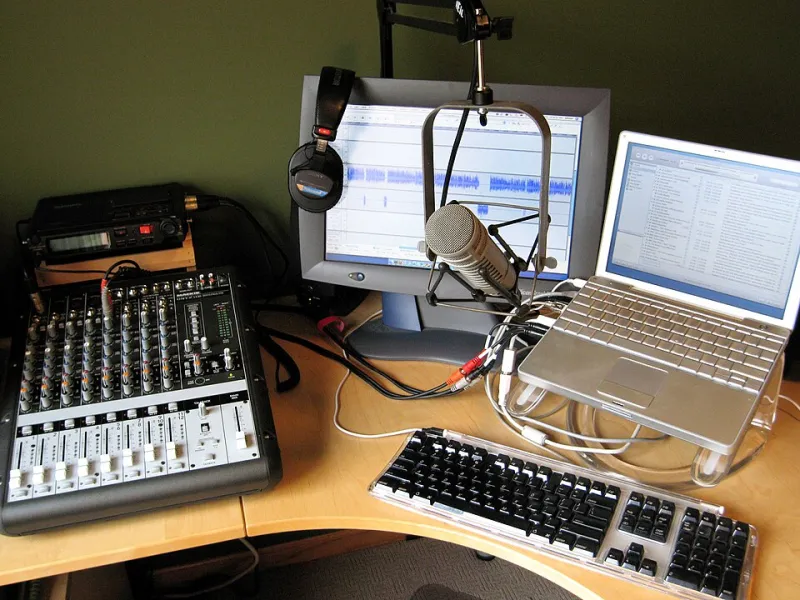
Photo: Dody Guci, CC BY-SA 4.0, via Wikimedia Commons
Somewhere between the cable news screaming matches and the Twitter pile-ons, a quieter revolution has been happening — one measured in hours, not hot takes. Long-form talk radio and its digital descendants, the podcast and the live audio stream, are carving out something genuinely rare in 2024: spaces where Americans with opposing views actually sit with each other's words for longer than thirty seconds.
It sounds almost quaint. But researchers who study political communication say it might be one of the most important things happening in American media right now.
The Problem With the Scroll
Before you can appreciate what talk radio offers, it helps to understand what most of us are drowning in. Social media platforms are engineered to surface content that provokes a reaction — the sharper the better. A University of Southern California study found that moral outrage in tweets spreads significantly faster than neutral content. The result? Most Americans are getting their understanding of "the other side" filtered through the most extreme, most inflammatory versions of opposing views.
Radio — and audio more broadly — works differently. When you're listening to a two-hour conversation between a conservative small-business owner in rural Ohio and a progressive urban policy advocate, you're not getting a highlight reel of their worst moments. You're getting their actual thinking, their hesitations, the places where they surprise themselves by agreeing.
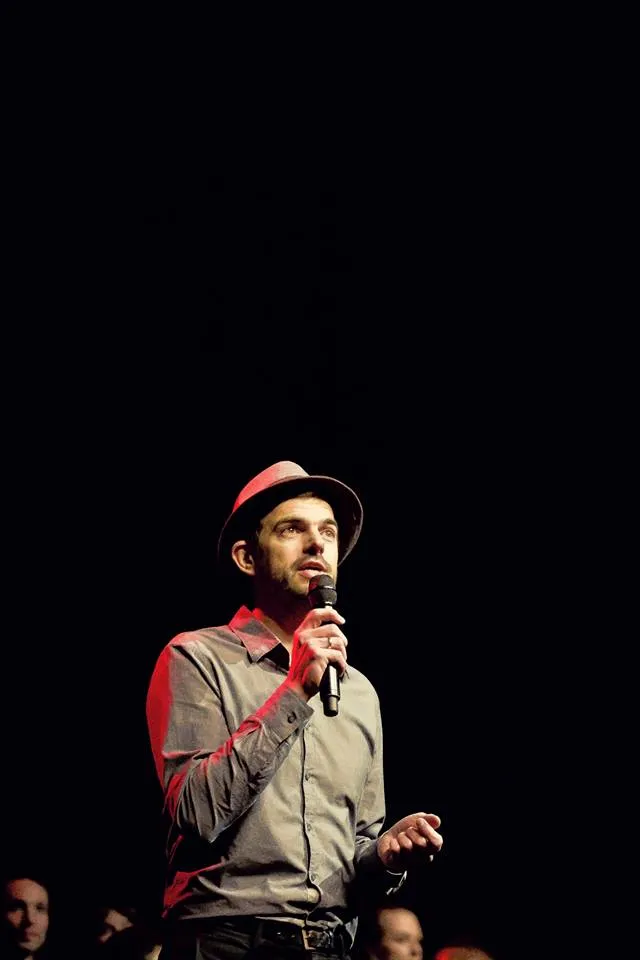
"There's no edit button in a live conversation," says Marcus Delray, who hosts a weekly call-in show out of Nashville that draws listeners from across the political spectrum. "When someone calls in and disagrees with me, I can't delete their comment or mute them after three seconds. We have to actually work through it together. And honestly? That's when the best radio happens."
Audio Empathy: What the Research Says
Communication researchers have a term for something talk radio does almost by accident: parasocial intimacy. When you listen to someone's voice for an extended period — their cadence, their pauses, the way they laugh when they're nervous — your brain builds a relationship with that person even if you've never met them. Unlike reading a text post, you're picking up on emotional cues that humanize the speaker.
Dr. Priya Mehta, a communications professor at the University of Michigan who studies media and polarization, puts it plainly: "Voice carries vulnerability in a way that text simply doesn't. When I read someone's opinion online, I can project whatever tone I want onto it. When I hear them speak, I have to reckon with the fact that this is a real human being with a real emotional life. That makes dismissal a lot harder."
This isn't just theoretical. Mehta's research has found that people who regularly listen to long-form audio content featuring viewpoints different from their own score measurably higher on empathy assessments than those who primarily consume short-form social media content — even when they don't end up changing their minds on the issues discussed.
Radio as the Original Third Place
Urban sociologists have long talked about "third places" — spaces outside of home and work where community gets built. The barbershop. The diner. The front porch. Radio, at its best, has always functioned as an audio version of that: a gathering spot where people who'd never otherwise cross paths could share the same conversation.
In the 1930s and '40s, families across the country gathered around the same radio broadcasts, creating a shared national experience that cut across geography and, to some extent, class. That communal listening culture largely fractured with the rise of television and then the internet. But something interesting is happening now — it's coming back, just in a different form.
Think about the podcast listener communities that have sprung up around shows like NPR's "Throughline" or the wildly popular "Stuff You Should Know." These aren't just passive audiences; they're active communities who gather in Discord servers, local meetups, and comment sections to continue the conversations the hosts started. The audio content is the campfire. The community builds itself around the warmth.
"My listeners range from retired veterans in Texas to college kids in Brooklyn," says Delray. "And they're in the same Facebook group, arguing and laughing together. I didn't build that. The show created the conditions for it, and they built it themselves."
It Doesn't Always Go Smoothly — And That's the Point
Let's be honest: talk radio doesn't have a spotless record on civil discourse. The genre has also produced some of the most divisive voices in American media history. Shouting matches, bad-faith interviews, and partisan grandstanding are all part of the tradition too.
But advocates for audio-driven dialogue argue that the medium's failures are instructive. The shows that generate heat without light tend to lose listeners over time. Audiences are surprisingly good at detecting when a host is performing outrage versus genuinely wrestling with hard questions. The long-form format is almost self-correcting — you can fake intellectual honesty for a segment, but not for two hours, week after week.
Mehta agrees. "What we're seeing with the most successful talk shows right now — the ones building real, diverse audiences — is a commitment to letting conversations breathe. They're not filling every silence with a hot take. They're modeling something we've forgotten how to do: listening without immediately formulating a rebuttal."
What Comes Next
The signs are genuinely encouraging. Independent talk shows built around cross-partisan dialogue are finding audiences that major networks have largely abandoned. Platforms like Spotify and Apple Podcasts have made it easier than ever for a host in Boise or Birmingham to reach a national audience willing to sit with complexity.
None of this is a cure for political polarization. A podcast isn't going to fix gerrymandering or algorithmic radicalization. But in a media environment that profits from division, the stubborn persistence of long-form audio conversation feels like a small, significant act of resistance.
Turn it up. Stay a while. Let someone finish their thought.
That might be more radical than it sounds.