No Camera, No Judgment: The Strange Psychology Behind Radio's Most Honest Conversations

Photo: person talking on phone in dark car at night radio, via images.pexels.com
It's 1:47 in the morning. Someone is sitting alone in their car in a parking lot somewhere in Ohio, or Texas, or maybe just outside of Portland. They've been circling the block for twenty minutes, working up the nerve. Then they dial the number. The host picks up. And something comes out that this person has never said out loud to anyone — not their therapist, not their spouse, not their closest friend.
This happens every single night on talk radio stations across the country. Not occasionally. Every. Single. Night.
So what is it about radio — specifically late-night, voice-only, anonymous radio — that makes people open up in ways that Instagram, TikTok, Reddit, and even face-to-face conversation simply can't replicate? The answer is a mix of psychology, technology, and something almost primal about the human voice.
The Invisible Wall That Actually Helps
Psychologists have a term for it: the "online disinhibition effect." When people feel removed from direct social consequences, they share more freely. You've seen the dark version of this in comment sections. But radio — particularly anonymous call-in formats — activates the positive side of that same phenomenon.
The key ingredient is the absence of visual judgment. On a video call, you're watching someone's face react to what you say in real time. That flicker of an eyebrow, the slight tightening around the mouth — your brain is constantly scanning for disapproval. It's exhausting, and it makes you edit yourself before you even finish a thought.
Radio strips all of that away. There's just your voice and theirs. And for a lot of callers, that's the first time in their adult lives they've had a genuine conversation without being watched.
Dr. Patricia Carlin, a media psychologist who has consulted with several major talk networks, describes it this way: "The voice carries enormous emotional weight on its own. But when you remove the visual channel, the listener — or in this case, the caller — actually feels safer projecting empathy onto the host. They fill in the blanks with the best version of that person. It lowers the threat response significantly."
Why 2 AM Specifically?
Ask any overnight talk host and they'll tell you the same thing: the calls that come in after midnight are different. The tone shifts. The filters come down. People stop performing.
Part of that is simple exhaustion. When you've been awake for eighteen hours and you're lying in the dark, your social defenses are genuinely depleted. The part of your brain that usually runs the "how will this make me look?" calculation is running on fumes. What's left is the raw, unfiltered version of what you actually think and feel.
But there's also something cultural happening. Daytime America is a performance. We're at work, we're parenting, we're managing impressions. Nighttime — especially late nighttime — has always been when that armor comes off. Radio figured this out decades ago. The medium has always understood that darkness is its natural habitat.
Hosts who work overnight shifts often describe a kind of intimacy that daytime radio rarely achieves. "By 2 AM, the casual listeners are gone," one veteran overnight host explained during a panel at a broadcasting conference last year. "The people still with you at that hour need to be there. They're not background noise people. They're listening with everything they've got."
The Confessional Dynamic
There's a reason so many callers describe late-night radio in almost spiritual terms. The format — one voice speaking into a microphone, another voice receiving it — structurally mirrors confession. And not just the religious kind. Think about the therapeutic couch, the anonymous support group, the stranger-on-a-plane phenomenon where people unload their entire life story to someone they'll never see again.
Radio combines all of those elements. The host is a stranger, but a familiar one — someone whose voice you've heard hundreds of times, whose rhythms and reactions you've internalized. That parasocial familiarity creates a bizarre but real sense of trust. Callers often say they feel like the host knows them, even before they've said a word.
And crucially, the audience listening is invisible. Unlike posting on social media, where your confession exists permanently and can be screenshot, shared, and dissected, a radio call evaporates. It lives in the moment and then it's gone. That impermanence is enormously liberating for people carrying things they've never said aloud.
What Hosts Actually Hear
The range of what gets shared is genuinely staggering. Hosts who've worked these formats for years describe calls about infidelity, addiction, grief, estrangement, secret identities, and decisions made decades ago that still haven't been processed. Some calls are funny. Some are heartbreaking. Some are both at the same time.
What's consistent, hosts say, is the relief in the caller's voice after they've said the thing. There's often a long pause. Then something like: "I've never told anyone that before." And you believe them.
The medium also creates a strange accountability. When you say something out loud — really out loud, into a phone, to a real human being on the other end — it becomes more real than a typed confession ever could. The voice commits in a way the keyboard doesn't. People seem to understand this instinctively.
Why Other Platforms Can't Touch It
Social media platforms have tried to capture this energy. Twitter had its confessional threads. TikTok has its "story time" videos. Reddit's r/confessions has millions of subscribers. But none of them hit quite the same nerve.
The difference is risk and reciprocity. On Reddit, your confession sits there, static, waiting to be judged by an unknowable audience. On TikTok, you're on camera — which immediately reactivates all those visual judgment circuits. Even anonymous platforms lack the live, human-to-human quality that makes radio feel like a conversation rather than a broadcast.
There's also the question of who's on the other end. A comment section is a void. A talk radio host is a person — present, listening, responding in real time. That responsiveness changes everything.
The Voices We Trust in the Dark
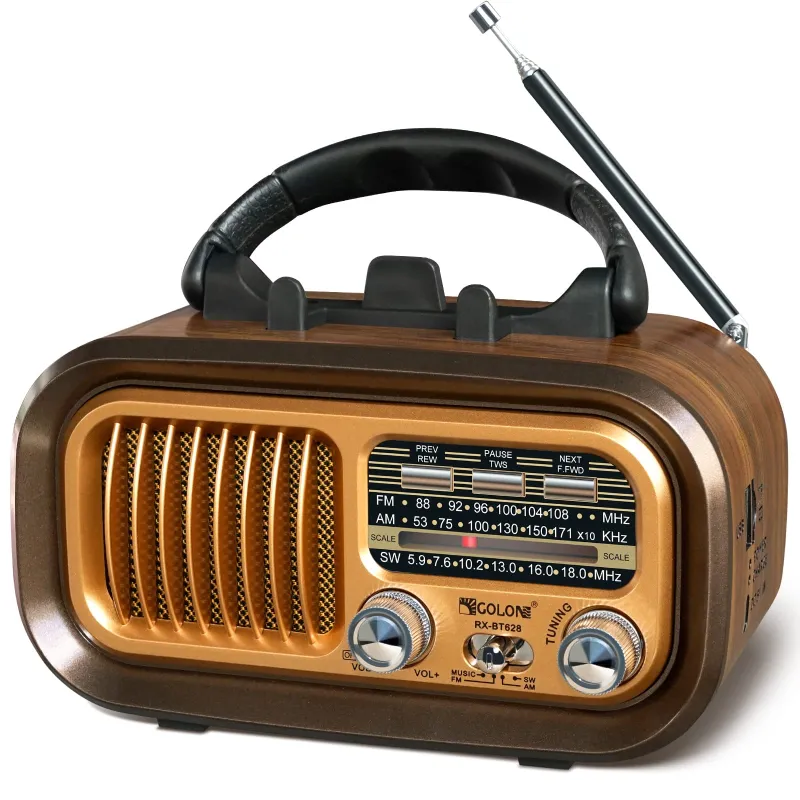
America has always used radio as a pressure valve. In its earliest days, it was a lifeline for isolated rural communities. During wars and crises, it was how people processed collective fear together. The late-night confessional format is just the most intimate expression of something the medium has always done: give people a voice when they feel like they don't have one.
The technology has changed. The platforms have multiplied. But the impulse — to speak honestly into the dark and have someone actually listen — hasn't gone anywhere. If anything, in an era of curated feeds and performative posting, the hunger for a genuinely unfiltered conversation has only gotten sharper.
Some nights, all it takes is a phone and a willing host. And the things people say might surprise you.